Creek Status & Crossing Guide
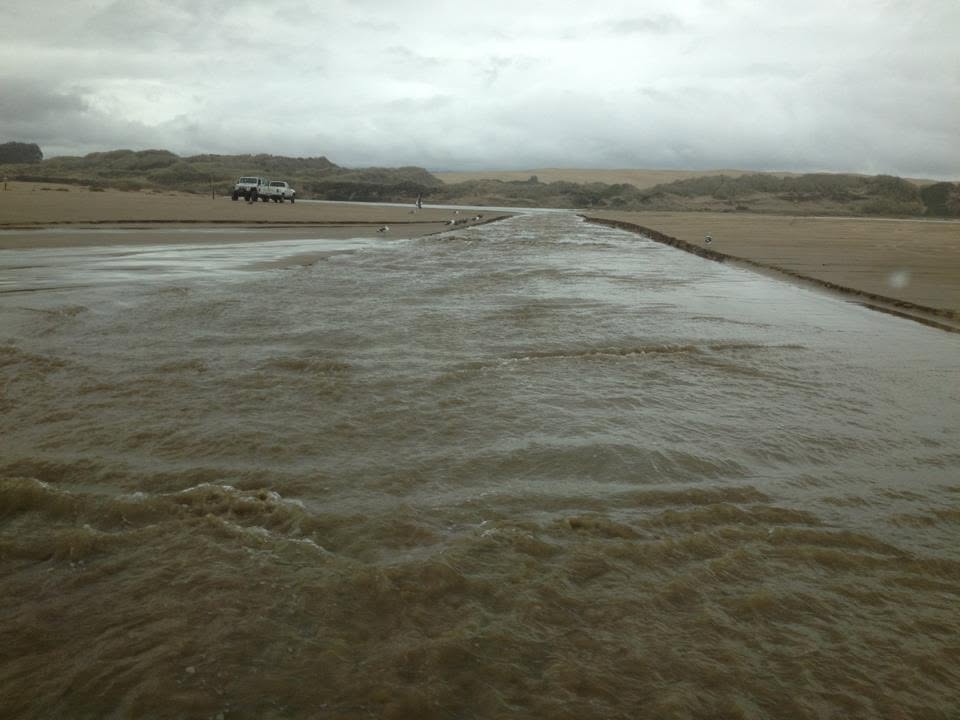
The creek sits between the Pier Avenue entrance and the OHV and camping areas. When it runs high, it controls whether you get in or out. Check here, and check the tide, before every trip.
Checking…
Estimating from live NOAA tide data…
Closed Means Closed
People always ask whether "closed" means "we do not recommend crossing" or "you will be cited." We asked the local authorities directly. The answer: "If you cross, you will get a ticket."
Why so strict? If you do not make it across and your life is on the line, you are now risking the lives of the local authorities who have to come rescue you. Please follow the rules.
Plan Around the Tide
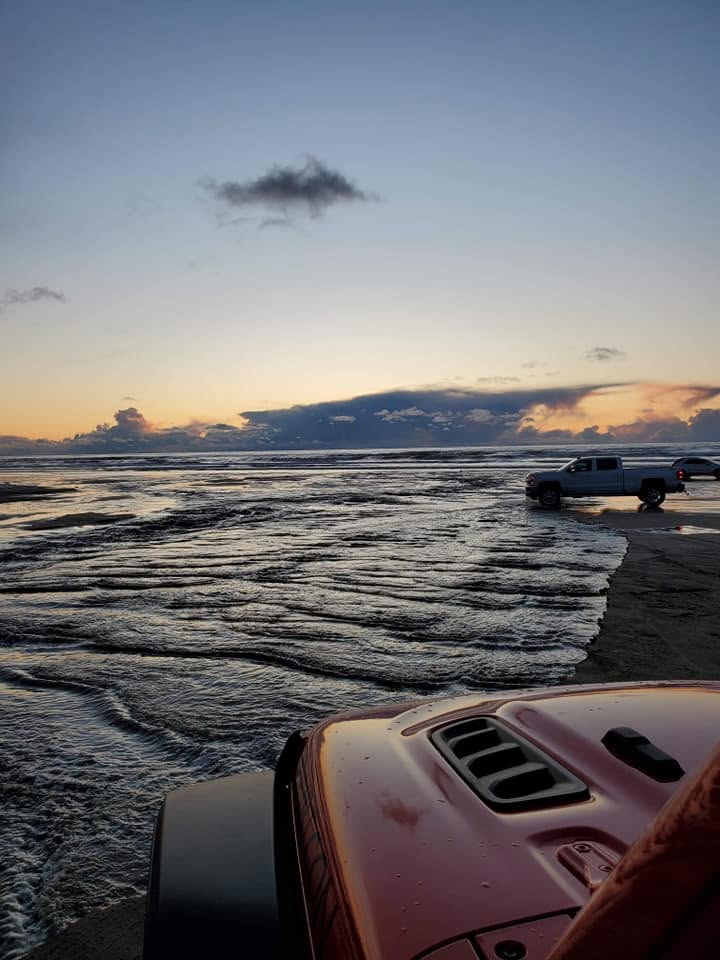
High tides, heavy rains, deep sand, and the creek together determine whether you can drive the beach without getting stuck.
- Arrive and depart at low tide. This is the single best thing you can do for an easy crossing and an easy tow down the beach.
- Watch the forecast. Rain upstream can change the creek overnight.
- When in doubt, wait it out. Waiting a few hours for a lower tide might save you thousands of dollars.
How to Cross the Creek
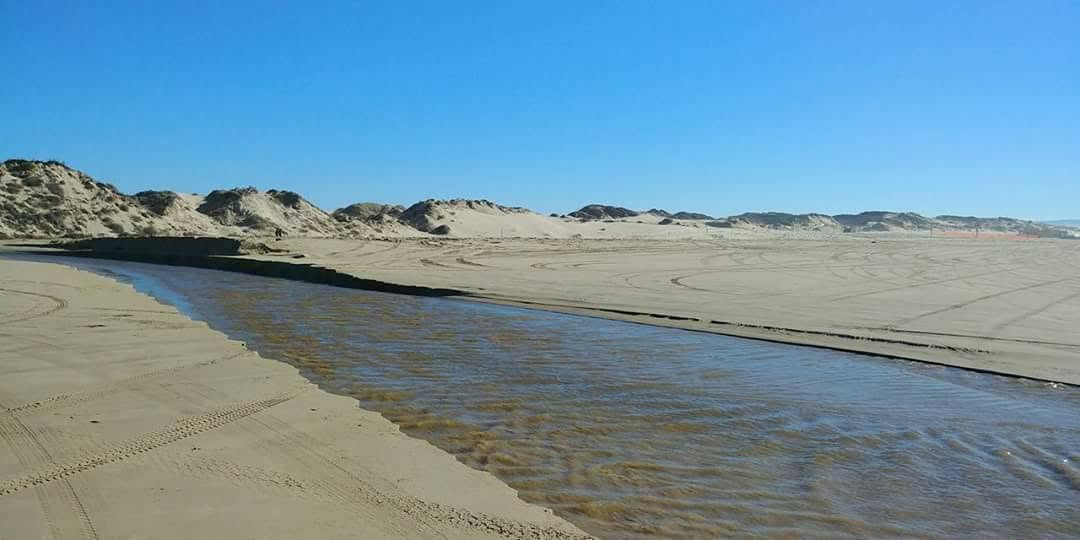
The riverbed itself is hard-packed sand, so the crossing will not swallow your tires. Nearly every creek disaster comes down to one of these three things.
Know your vehicle. Light cars should not cross when the creek is running above 2 feet deep. If that's you, wait for it to drop.
Cross in the fresh water, not the surf. You can usually see where the ocean surf meets the river. Cross through the river's fresh water rather than submerging your vehicle in salt water. In the ocean's current you fight two forces at once: the river pushing you and the tide pulling you into the surf.
Drive slow. The number one reason vehicles die in the creek is driving too fast. Speed pushes a bow wave into your engine compartment, where your air intake can suck in water or a soaked distributor stalls you mid-stream. That is an expensive lesson.
Build Your Trip Plan in 60 Seconds
Tide-timed arrival windows for your exact dates, a personalized gear checklist, and the local tricks that keep you off the tow strap.
Plan Your Trip